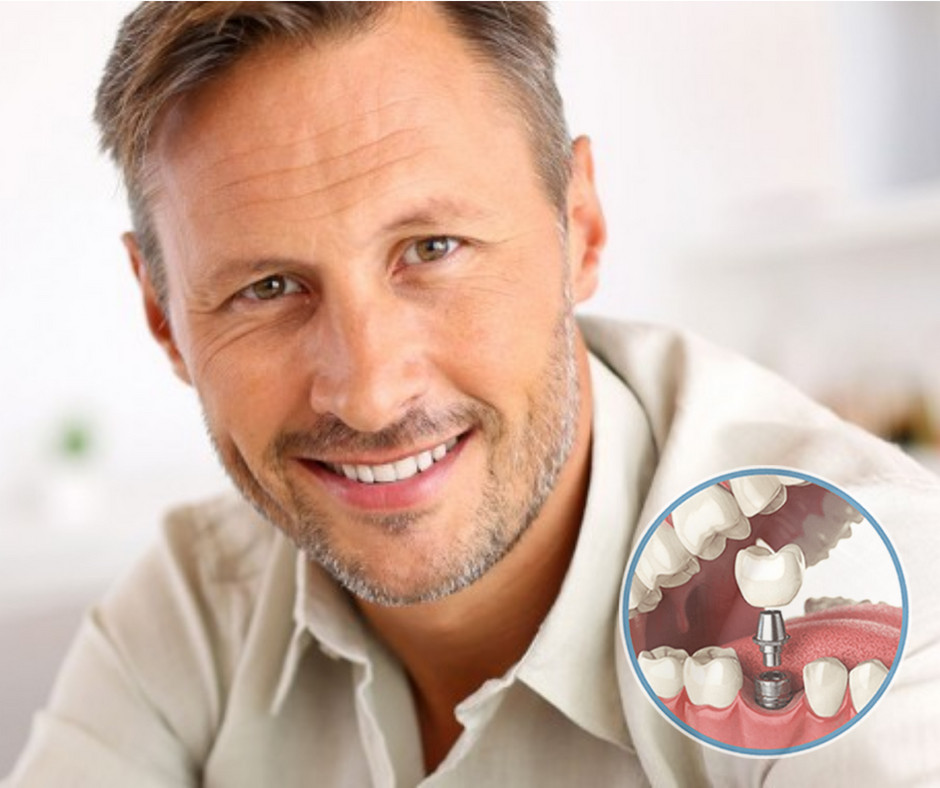
The tooth replacement process is a lengthy one, wherein the tooth is first removed and the socket is cleaned. This ensures the residual socket is free from infection or debris to enable dental fixture placement.
The next step is to assess the bone integrity of the site to ascertain whether the implant can be undertaken at that time — either with or without additional tissue augmentation — or whether the titanium fixture should be placed after the socket heals.
Bone graft or gum graft may become necessary when other factors are affecting the outcome of the implant. If the outer aspect of the bone socket is fragile after extraction, or if the size of the socket is larger than the size of the titanium insert, it could require bone grafting.
The residual gap is filled with bovine bone minerals, which is also used to thicken the bone. A gum graft is necessary in case of thin, transparent or dark gums; it thickens the tissues and improves resistance. Whatever the requirement, these are usually addressed during a single visit to our South East London practice. This is important in single-tooth implants because these treatments cannot be undone easily.
✓ Best price on quality service guaranteed✓ World-class implants